NATIONAL
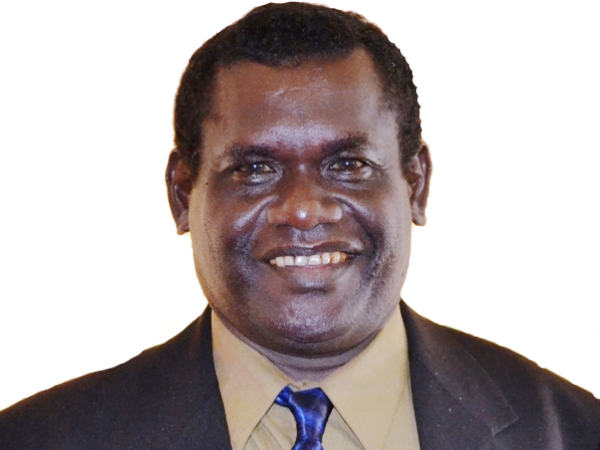
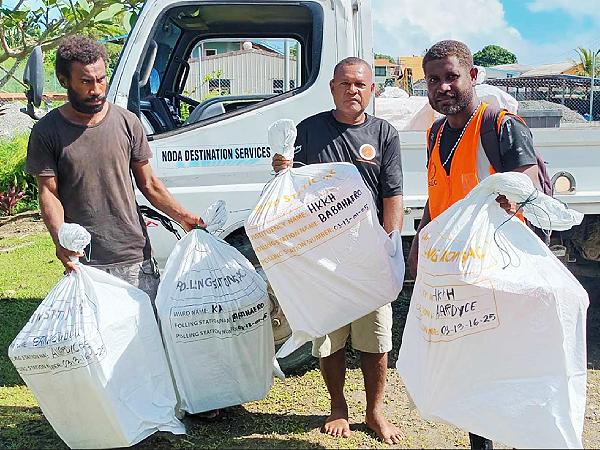
John Dean Kuku wins North New Georgia seatFORMER MP for North New Georgia Constituency John Dean Kuku has retained his parliamentary seat after defeating his rival Nannette Tutua. This was declared by the returning officer for North New Georg...
April 19, 2024News, News - National
- April 19, 2024News, News - National
 April 18, 2024News, News - National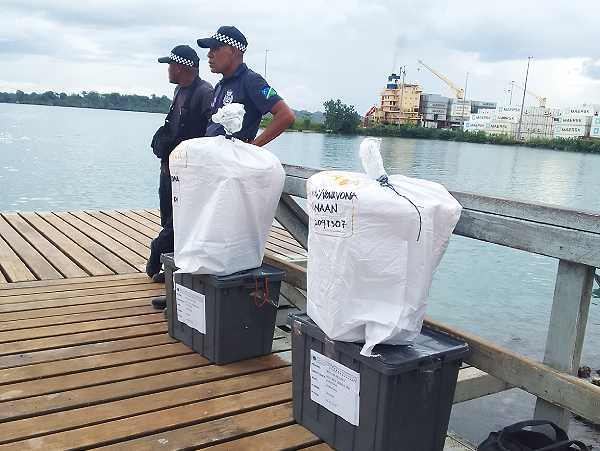
 April 18, 2024News, News - National, Solomon Star News
BUSINESS
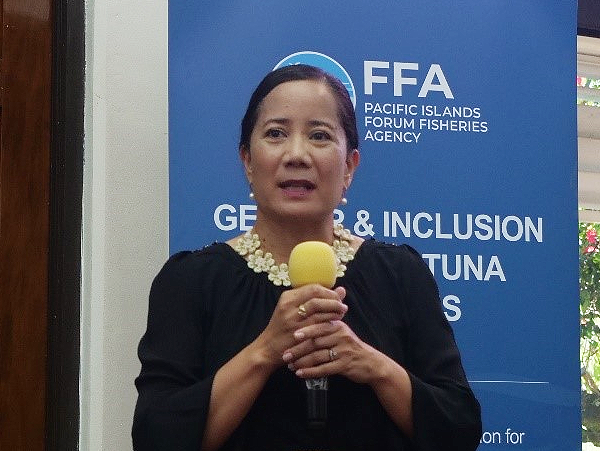
Tackling gender gaps in Fisheries:Inaugural GESI Forum convened in Honiara THE Pacific Islands Forum Fisheries Agency (FFA) in collaboration with the Pacific Community (SPC) hosted its first ever Gender and Social Inclusion (GESI) For...
April 15, 2024News, News - Business
- April 15, 2024News, News - Business
 April 13, 2024News, News - Business
 April 12, 2024News, News - Business
 March 14, 2024News, News - Business
SPORT
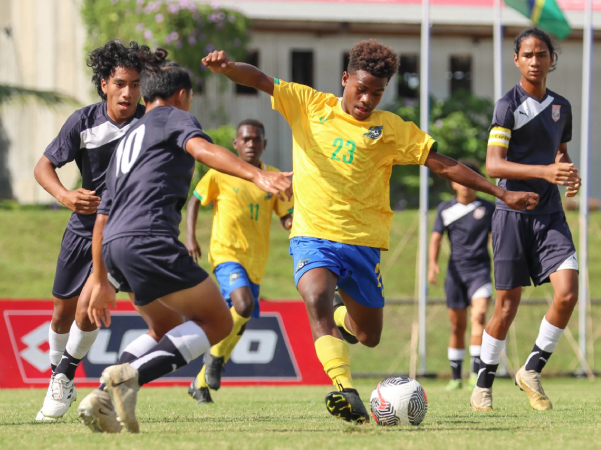
SOLOMON ISLANDS QUALIFY FOR OFC U-16 MEN’S CHAMPIONSHIP WITH BIG WINOFC: A 6-0 win against American Samoa has secured Solomon Islands a place at the OFC U-16 Men’s Championship, which will kick off in Tahiti in July. Leading 3-0 at half time, the Solomon Islands...
April 19, 2024Sports, Sports - National
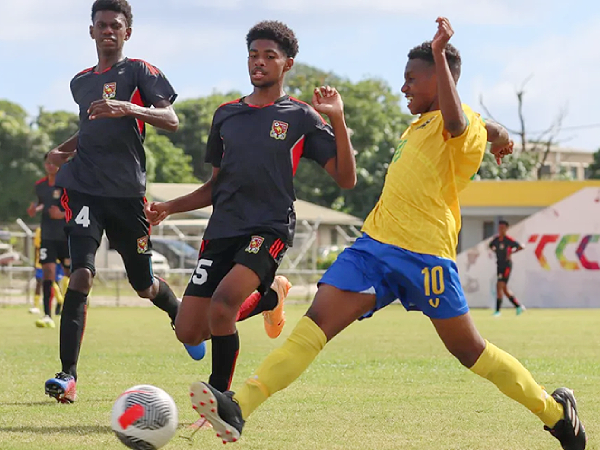 April 15, 2024Sports, Sports - National
 April 15, 2024Sports, Sports - National
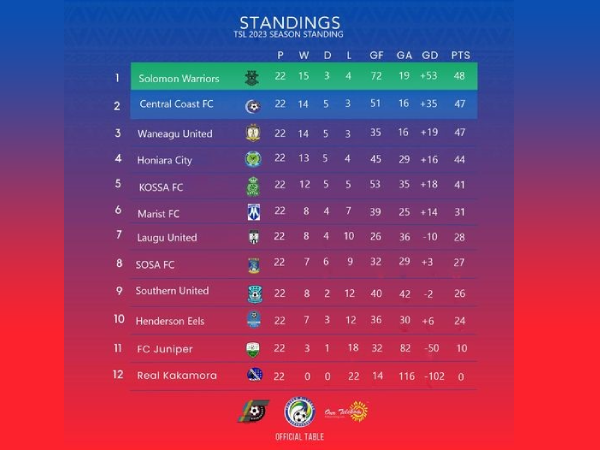 April 3, 2024Sports, Sports - National
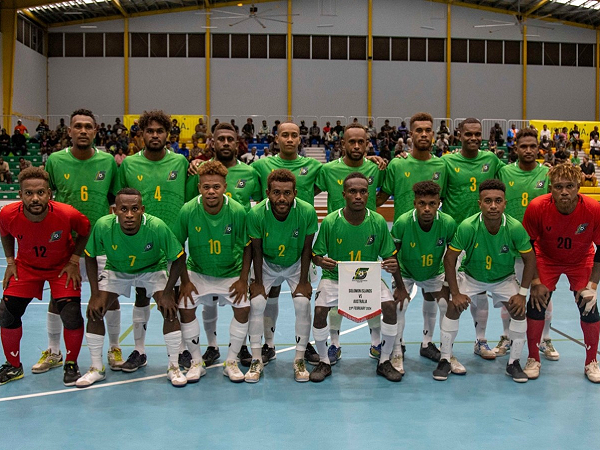 March 1, 2024Sports, Sports - National
RELIGION
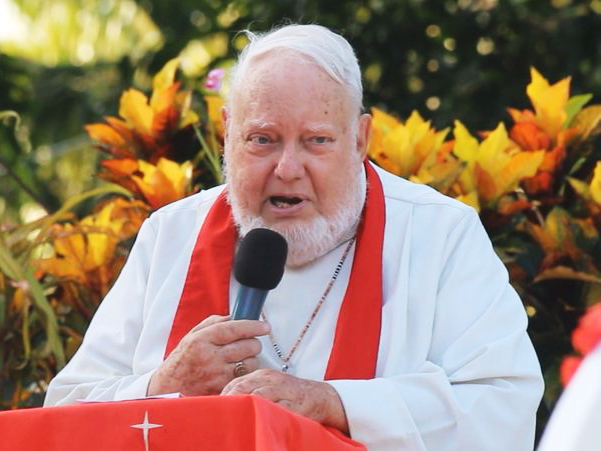
Key figure in SI’s peace building process called to restA FORMER Bishop of the Anglican Church of Melanesia (ACOM) Diocese of Malaita, The Right Reverend Dr Bishop Terry Brown, has been called to rest over the Easter weekend in his home country of Canada. ...
April 4, 2024Features, Features - Religion, News, News - National
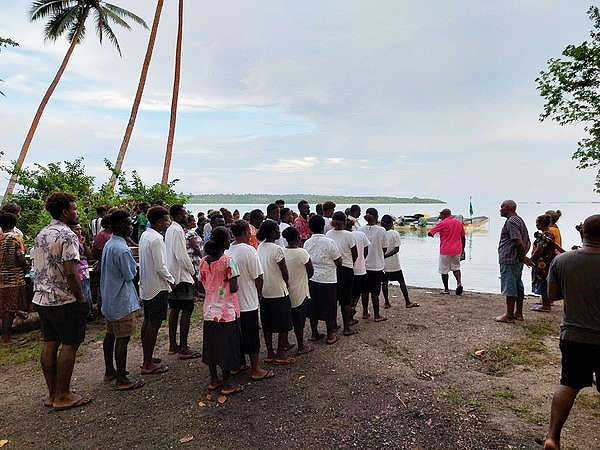 April 3, 2024Features, Features - Religion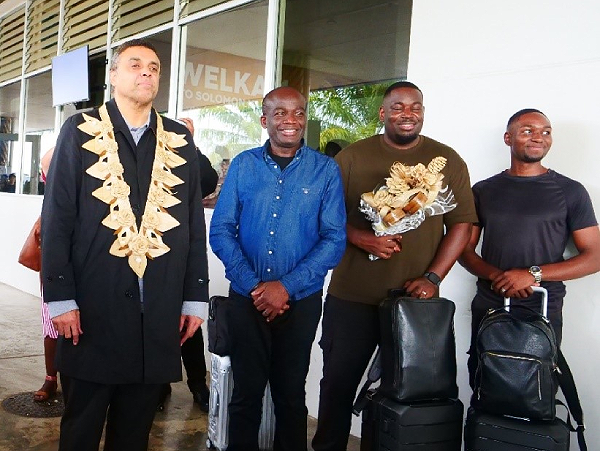
WOMEN
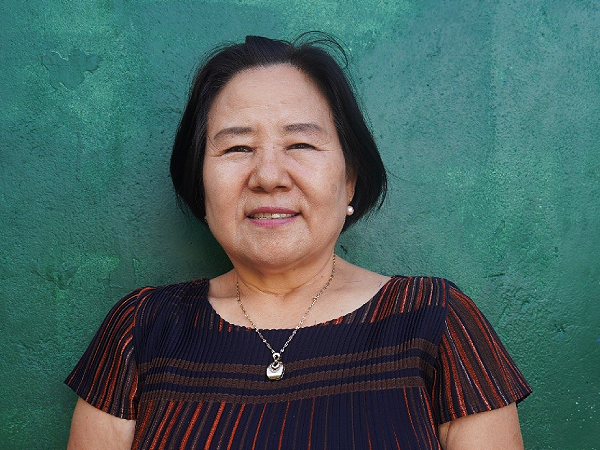
“Vote for your life” – Lydia YeoVOTING in any election is as crucial as casting votes wisely because voting outcomes impact the lives of voters and the wider society, says Lydia Yeo. Lydia is a naturalized Solomon Islands citizen of...
April 15, 2024Features, Features - Women, News, News - National
- April 15, 2024Features, Features - Women, News, News - National
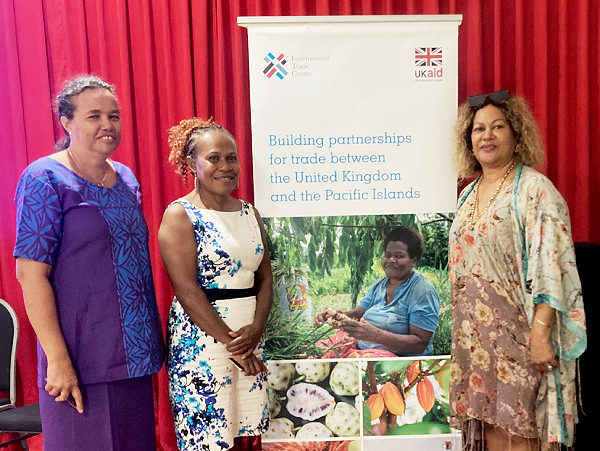
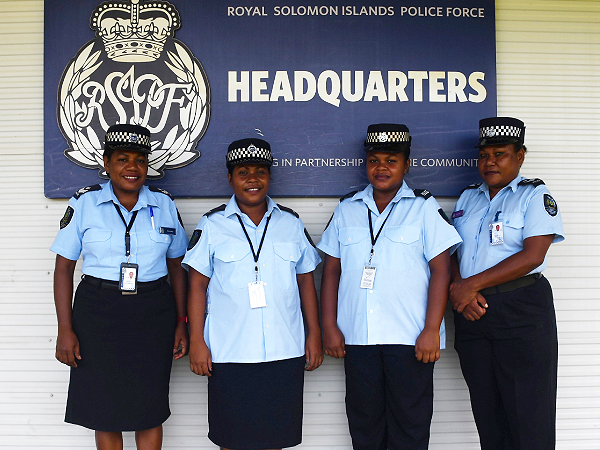 January 23, 2024Features, Features - Women
ENTERTAINMENT
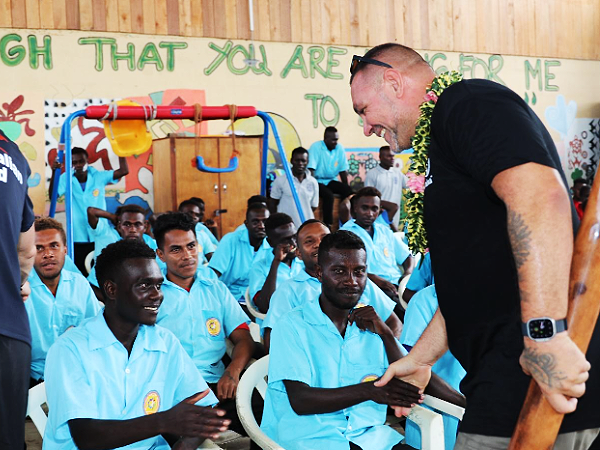
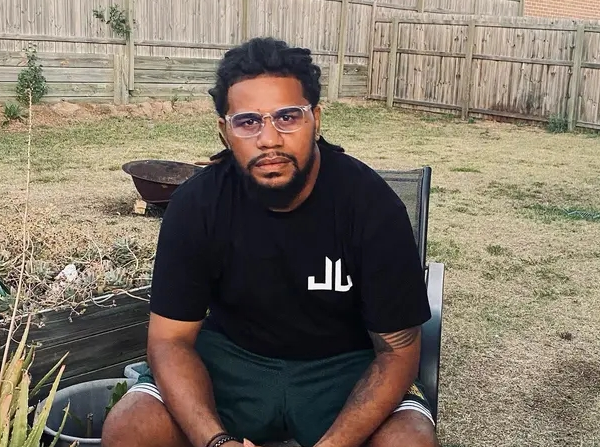
DONOVAN SHARES FIRST NATIONS MUSIC, CULTURE AND STORITHE Australian High Commission was proud to bring Kuku-Yalanji man Mr Jeremy Donovan, an Australian First Nations musician, artist, poet, public speaker, and educator to Solomon Islands from February ...
February 27, 2024Features, Features - Local Entertainment
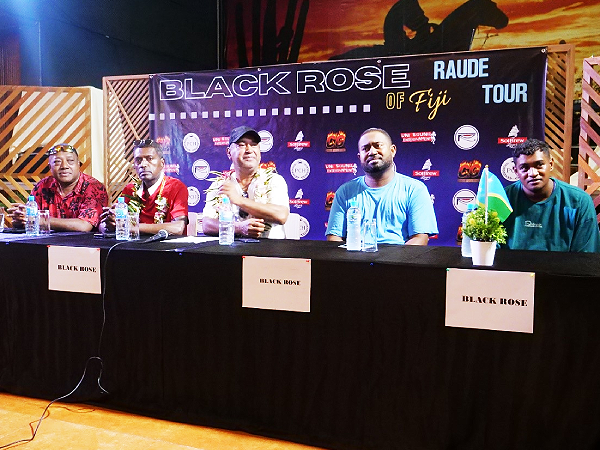 February 22, 2024Features, Features - Local Entertainment
 October 19, 2023Features, Features - Local Entertainment